
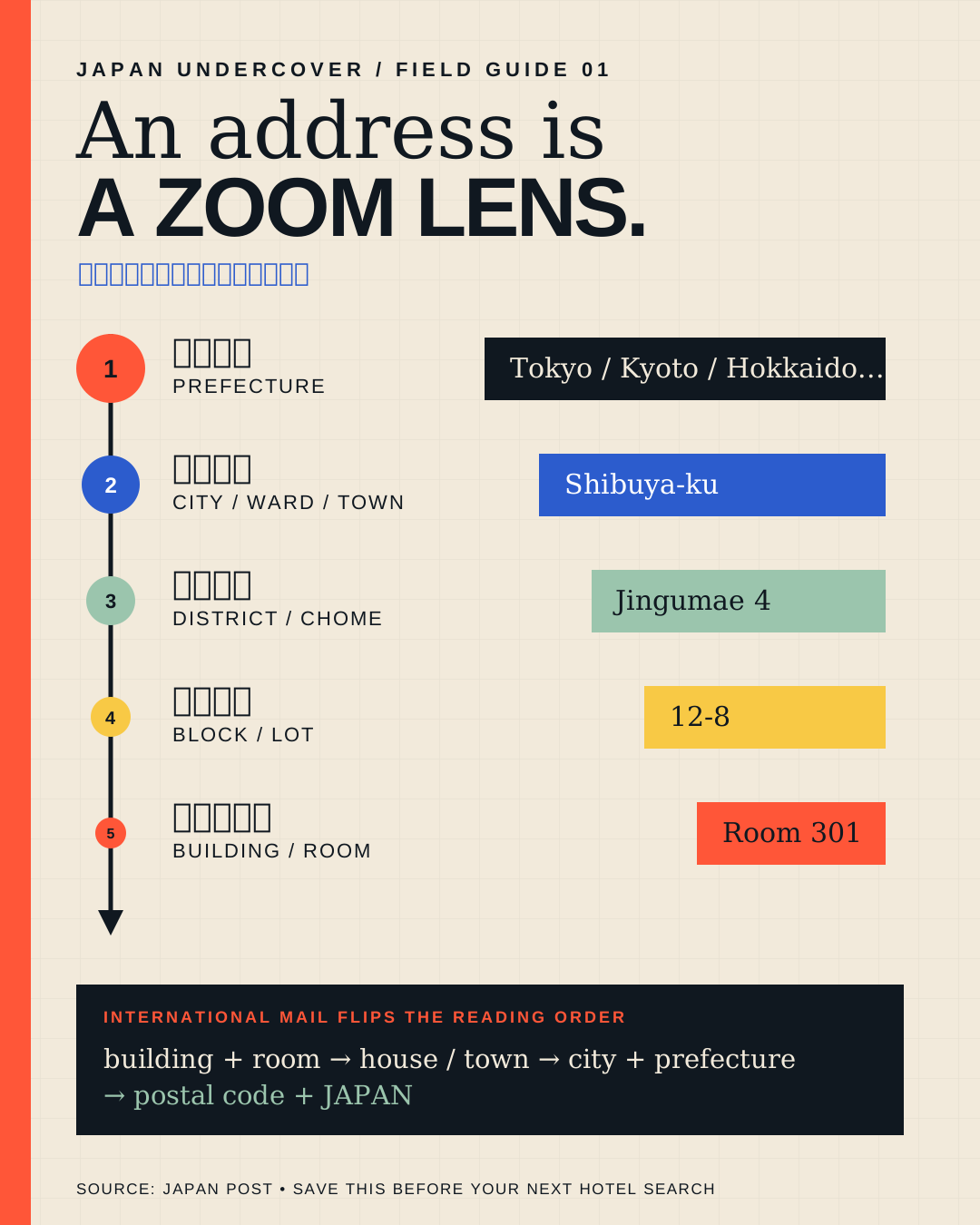
Start wide. End at the door.
都道府県 → 市区町村 → 町・丁目 → 番地・号 → 建物・部屋
Japan's Digital Agency gives a residence-indication example that moves through Tokyo, Chiyoda Ward, Kasumigaseki 2-chome, block 1, and residence number 6. That is the zoom: prefecture, municipality, town-level area, block, then residence.
The format is not universal
Japan also has addresses based on land-lot numbers rather than residence indication. The Digital Agency's alternate example moves from Ishikawa Prefecture to Kaga City, a town area, and a lot number. Some addresses omit a layer; local names and older systems can add another. The hierarchy is a map, not a fill-in-the-blanks spell.
Roman letters change the presentation
For international mail, Japan Post's English example begins with the building and room, then lists the house number and town, city and prefecture, followed by the postal code and country. That outward movement is designed for an international label, not proof that the Japanese address itself was “really” English-order all along.
The postal code does real work
Japan Post says an accurate seven-digit postal code can allow the municipality-level portion to be omitted on domestic mail, but the town-level area and everything below it still must be written. The code gets the letter into the right neighborhood. It does not know your door.